

JUST LIKE YOU LIKE IT
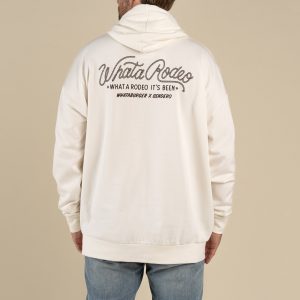
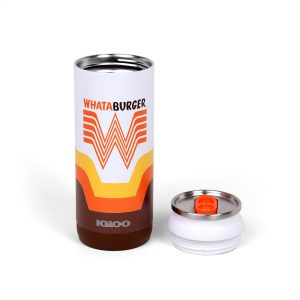
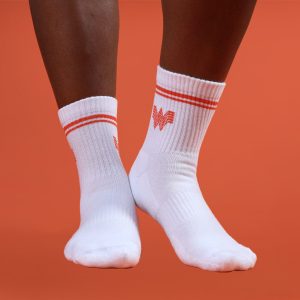
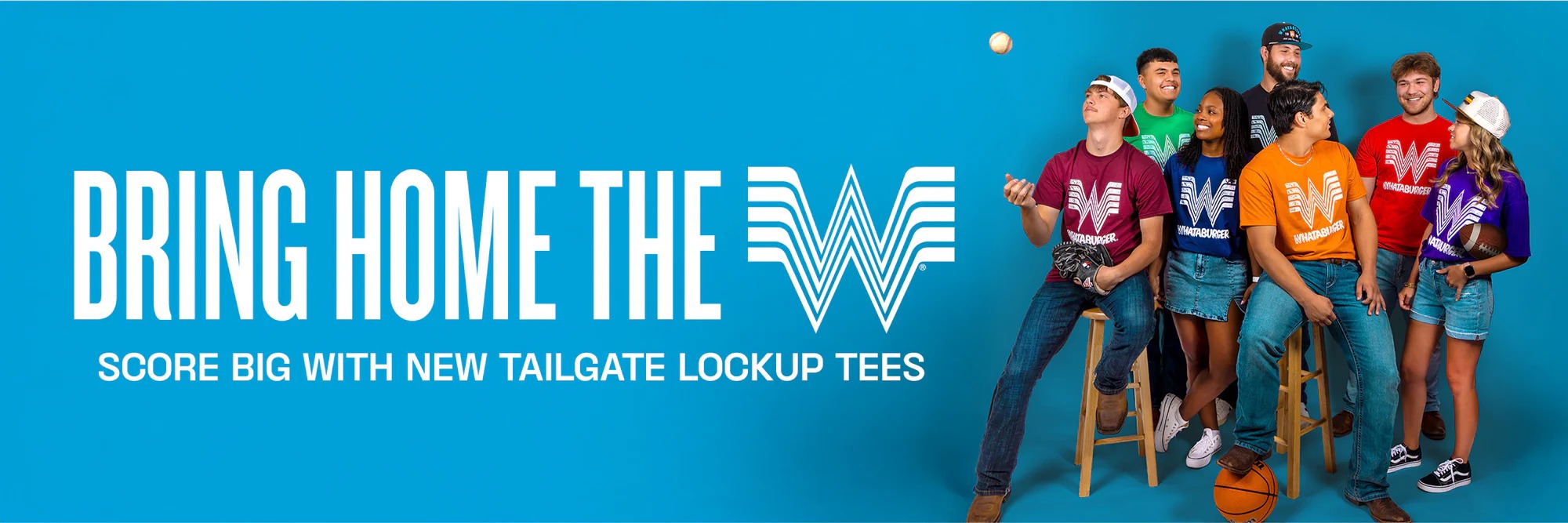
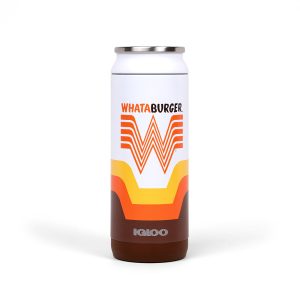
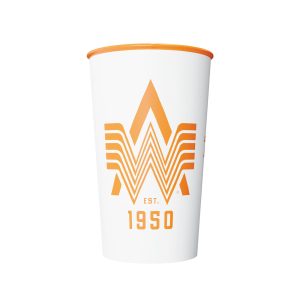
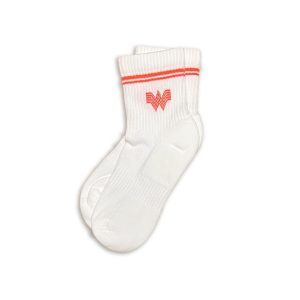
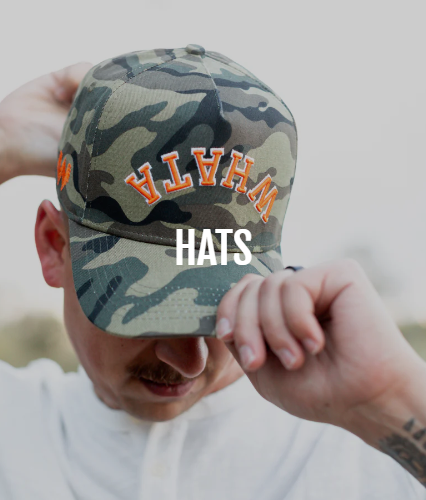
Discover your favorite Whataburger products,shirts,hats, drinkware,
and more at the official whataburger online store!





Discover your favorite Whataburger products,shirts,hats, drinkware,
and more at the official whataburger online store!

COLLABORATIONS
COLLABORATIONS
COLLABORATIONS
COLLABORATIONS
COLLABORATIONS
COLLABORATIONS

COLLABORATIONS

COLLABORATIONS
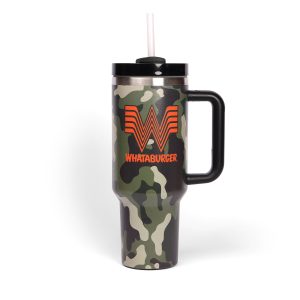
The Just-Right Gifts for the Just-Like-You-Like-It Crowd.
GIFTS




GIFTS



The story of human attire is intrinsically linked with the story of gender. For centuries, clothing has served not merely as a necessity, but as a visual lexicon—a complex, often rigid, set of codes dictating identity and societal roles. The distinction between apparel for men and for women has historically been one of the most visible and unwavering of these codes, a sartorial boundary that defined much of Western and global fashion history. However, the modern era has seen this binary begin to dissolve, ushering in a revolutionary period of fluidity and self-determination in style.
To understand the current moment, one must first look back at the entrenched differences. Men’s clothing, especially from the 17th century onwards, gravitated toward utility, somber hues, and structured silhouettes. The focus was on tailoring, longevity, and the projection of power, a phenomenon often referred to as the “Great Masculine Renunciation.” This period solidified the suit as the ultimate emblem of male professionalism and seriousness. Fabric textures were often heavier, cuts were boxier, and the range of acceptable ornamentation was notably limited. The primary aesthetic goal was a static, enduring presentation of status and competence.
In contrast, women’s fashion was characterized by a constant, dramatic evolution. Silhouettes changed with startling regularity—from the voluminous skirts of the Victorian era to the restrictive flapper dresses of the 1920s, and the exaggerated shoulders of the 1980s. Historically, the emphasis was on form-fitting or dramatically shaped garments that celebrated and amplified the female form, often at the expense of comfort and mobility. Color, texture, and embellishment were integral, serving as markers of femininity, creativity, and shifting societal ideals. While men’s fashion was about permanence, women’s was about change, mirroring the prescribed roles—men as the unchanging pillars of society, women as the beautiful, ever-adapting muses.
The 20th century, particularly its latter half, became the crucible for challenging these divisions. The shift began with women integrating traditionally masculine elements into their wardrobes. The adoption of trousers, initially a radical political statement, became normalized, liberating women from the impracticality of skirts for many activities. This appropriation was a powerful visual assertion of equality and agency. The sharp, tailored pant-suit became an icon of female empowerment, borrowing the visual language of professional authority previously exclusive to men.
A parallel, though slower, shift has recently occurred in how men approach their style. As societal pressures around traditional masculinity have eased in some communities, more men are exploring brighter palettes, softer fabrics, and more fluid silhouettes. The influence of youth culture, music, and social media has encouraged an appreciation for texture, drape, and ornamentation that was previously considered solely “feminine” terrain. This isn’t just about men occasionally wearing a looser, patterned shirt; it’s a deeper exploration of self-expression that transcends the confines of the classic masculine uniform.
The true frontier, however, is the rise of truly non-gendered design. This movement goes beyond “unisex,” which often meant a traditionally masculine garment sized up or down. Contemporary fluid design aims to create garments with inherent versatility, focusing on fit, form, and comfort that flatters a diverse range of body types without relying on gendered assumptions. Think of intentional, oversized outerwear, beautifully draped tunics, or simple, elevated knitwear that prioritizes material and cut over binary categories.
This evolution is fundamentally a story of freedom. As consumers increasingly prioritize personal authenticity and comfort over prescriptive roles, the labels “men’s” and “women’s” clothing are losing their definitive power. Stores and designers are beginning to recognize that clothing is simply fabric and form, and the meaning it carries is bestowed entirely by the wearer. This liberation from the gendered past allows for a richer, more diverse, and infinitely more personal future of style, one where individual expression is the only, and best, trend. This collective move toward stylistic independence is perhaps the most significant development in modern apparel.
The blending of aesthetics also carries a vital message about sustainability. When clothes are not confined to a single, often fleeting, gender-specific trend, their perceived lifespan lengthens. A focus on high-quality, versatile, and enduring pieces—a trait long associated with classic men’s tailoring—is being universally embraced. This shared appreciation for craftsmanship and lasting design, regardless of the wearer’s identity, elevates the entire industry. The contemporary conversation about apparel is less about who should wear what, and more about how garments can empower every individual to live and move authentically in the world.